Science of Reading and Learning Science
Understanding how children learn changes everything. The Science of Reading and broader learning science give us a research-based picture of how the brain develops, how children acquire skills, why some students struggle, and what instructional approaches make the biggest difference. Explore our articles to dig into the evidence.

What Your Child’s Brain Does With “The” — And Why Flash Cards Are Not the Answer
Flash cards for common words feel right — they are how most of us learned, and how most of us are teaching our own children. But the brain does not store words as visual shapes, and the research is unambiguous: repetition without connecting letters to sounds does not trigger the process that makes words permanently recognizable. What does is phonics — and understanding that changes everything about how high-frequency words should be taught.
Midweek Mini: The Meaning Behind the Words: What Semantics Is and Why It Matters
A child reads every word correctly, at a steady pace, with expression — and then cannot tell you what the sentence meant. That is not a decoding problem or a fluency problem. It is a semantics problem, and it is one of the most common and least named reasons capable decoders hit a comprehension wall.
The Grammar We Actually Need: Why Syntax Matters — and How to Build It Without Drill and Kill
Traditional grammar instruction — the songs, the diagrams, the labeled worksheets — does not build reading comprehension, and the research has been saying so for decades. What does is exposure to complex language through wide reading and read-alouds, and purposeful work with real sentences from real texts. Syntax is the structure through which meaning moves, and a reader who cannot follow it will hit a wall that phonics and vocabulary cannot fix.

Midweek Mini: “How Was Your Day?” Fine. — Ten Questions That Actually Work
"How was your day?" produces "fine." "What did you do?" produces "nothing." The conversation is over — and so is one of the most valuable language-building opportunities in your child's day. Research consistently shows that back-and-forth conversational turns build the vocabulary, syntax, and listening comprehension that reading comprehension depends on — and the questions that follow are designed to actually start one.

The Talking Comes First: How Everyday Conversation Builds the Foundation for Reading
Two children arrive at kindergarten on the same day, in the same classroom — and the gap between them is already years wide. Research shows that back-and-forth conversation before school begins predicts reading comprehension more reliably than almost any other factor, because oral language is the foundation that decoding alone cannot replace. The dinner table, the car ride, the bedtime story — none of it feels like reading instruction, but all of it is building the half of reading that happens before a child ever opens a book.

Midweek Mini: The Bedtime Story Is Doing More Than You Think
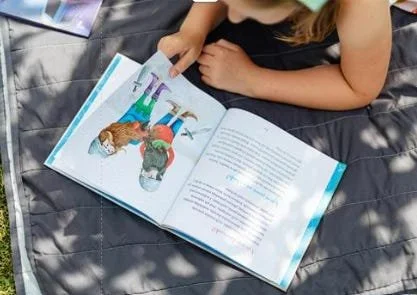
The bedtime book routine feels like winding down — and research shows it is actually one of the most productive literacy moments in a child's day. Print awareness, vocabulary, fluency modeling, and the emotional connection to reading are all being built simultaneously in those quiet ten minutes. No curriculum required, no special program — just a book, a child tucked in close, and the willingness to do it again tomorrow.
What Children Need to Know Before They Can Read
Print awareness — knowing that text moves left to right, that spaces mark word boundaries, that the spoken word "cat" matches the printed letters c-a-t — develops so naturally in children who are read to that most adults forget it was ever learned. Research identifies it as a foundational predictor of reading success, and children who arrive at school without it face instruction built on a starting point they haven't reached. Every other pillar of reading depends on this one coming first.

Midweek Mini: “Does It Make Sense?” Is the Wrong Question
Three-cueing spread through reading classrooms for decades on a single premise — that skilled readers guess words from context, so children should learn to do the same. Research has since shown the opposite is true. Expert readers recognize words instantly because phonics instruction built automatic decoding pathways, and children taught to guess instead are learning a strategy that works on easy text and collapses exactly when they need it most.
Read It Aloud: Why Reading Aloud Matters at Every Age
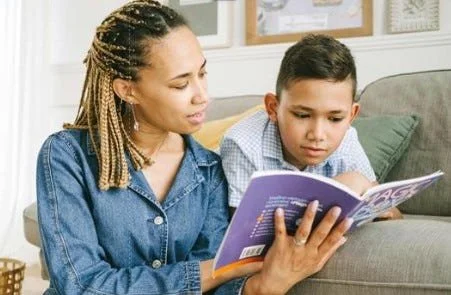
Read alouds build vocabulary, oral language, and comprehension through pathways that independent reading at a child's own level simply cannot replicate. The benefits begin in infancy, continue through high school, and compound with every page. That makes reading aloud one of the highest-leverage literacy tools any parent or teacher has — and one of the most underused.

Midweek Mini: What a Stomachache Has to Do With Reading
The brain has no reading center — and that single fact explains something that surprises almost every parent who hears it: intelligence offers almost no protection against reading difficulties. Because reading is a recent human invention that requires the brain to be deliberately rewired, a child can be genuinely gifted and still miss the foundational skills that make decoding possible. The children most at risk of being overlooked are often the ones smart enough to compensate — until they can't anymore.
Reading Is Thinking: Comprehension, Critical Thinking, and Why It Matters Now
Decades of reading research have been building toward a single destination. Comprehension is where every prior pillar of reading instruction ultimately points, and science is now clear that it does not emerge automatically once a child can read the words on a page. It has to be explicitly taught, and the world children are growing up in makes that more urgent than it has ever been.
Words Are the Thing: What Vocabulary Instruction Actually Is—And Why It Determines Whether Children Truly Comprehend
The most surprising reading failures aren't in children who can't decode — they're in children who can. A student who reads every word correctly but understands almost nothing has a vocabulary problem, and research shows it is one of the most underestimated obstacles in reading education. Word knowledge doesn't just support comprehension; it is the mechanism through which comprehension becomes possible at all.

Midweek Mini: Is Your School Doing the Science of Reading—Or Just Calling It That?
The Science of Reading is one of the most talked-about phrases in education right now — and one of the most misunderstood. It is not a curriculum, a program, or a publisher's brand; it is decades of converging research from neuroscience, cognitive science, and linguistics that reveals how the human brain actually learns to read. What that research says, and what gets sold in its name, are not always the same thing.
More Than Reading Fast: What Fluency Actually Is—And Why It’s the Bridge to Comprehension
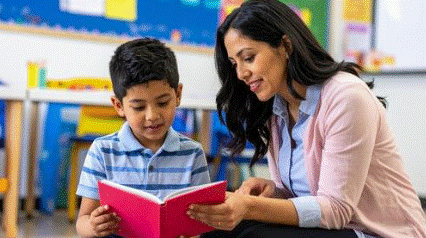
The human brain has no reading center — and yet, with the right instruction, it reliably learns to decode written language anyway. What neuroscientists discovered is that a specific sequence of explicit teaching physically rewires the brain, building neural pathways that eventually allow children to recognize words in milliseconds. That sequence has a name, a mountain of research behind it, and for decades it was quietly left out of classrooms across the country.

How the Brain Cracks the Code — And Why Phonics Is the Key
The debate over how to teach reading lasted decades, divided educators, and left generations of children without the instruction their brains actually needed. What ended the argument wasn't opinion or philosophy — it was science. Brain imaging research and hundreds of controlled studies converged on the same conclusion: children learn to read when they are explicitly taught how letters and sounds connect.
What to Watch For — And What to Do: A Practical Guide to Phonological Awareness (Part 2)
Most reading struggles don't start with letters — they start with sound, long before a child ever picks up a book. Phonological awareness gaps are the most common source of early reading difficulty, and the research on how to address them is unusually clear and encouraging. Knowing what to watch for at each age, and what to do about it, can make the difference between a child who catches up and one who falls further behind.
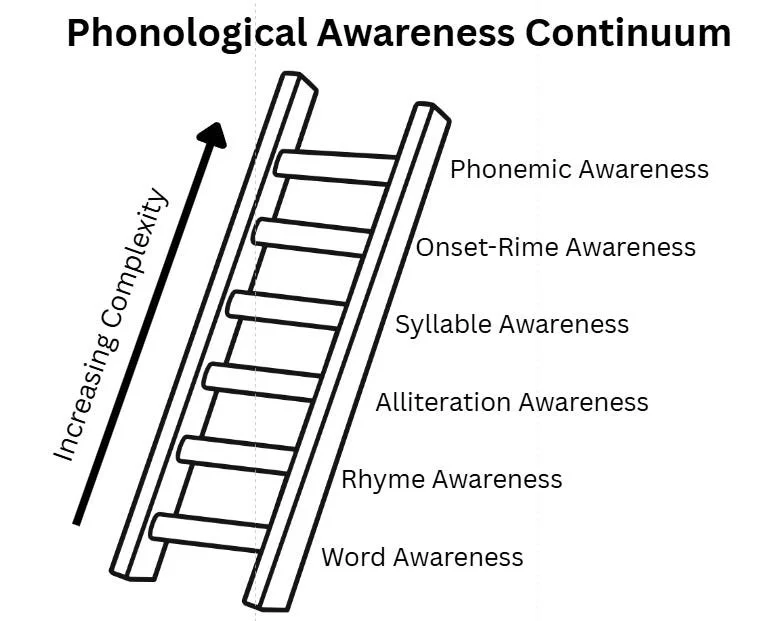
Reading Starts With Your Ears — And That Changes How We Teach It (Part 1)
Before a child reads a single word, their brain needs to do something that has nothing to do with letters: it needs to hear. Phonological awareness — the ability to isolate, blend, and manipulate the sounds inside spoken words — is one of the strongest predictors of reading success researchers have ever found, and most parents have never heard of it. The rhyming games and silly tongue twisters you thought were just fun? They were building the exact neural foundation that makes learning to read possible.
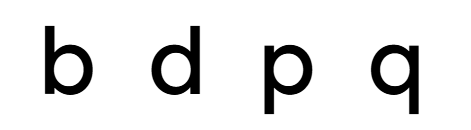
Why Your Child Writes Backwards—And Why That’s Actually Normal
A cup is a cup whether the handle faces left or right — and for millions of years, that kind of visual flexibility kept our ancestors alive. The problem? The letters b and d are the same shape, just flipped. Your child's brain isn't confused; it's working perfectly. The real story is how reading instruction gradually teaches the brain to break one of its oldest survival instincts.