Science of Reading and Learning Science
Understanding how children learn changes everything. The Science of Reading and broader learning science give us a research-based picture of how the brain develops, how children acquire skills, why some students struggle, and what instructional approaches make the biggest difference. Explore our articles to dig into the evidence.
What to Watch For — And What to Do: A Practical Guide to Phonological Awareness (Part 2)
Most reading struggles don't start with letters — they start with sound, long before a child ever picks up a book. Phonological awareness gaps are the most common source of early reading difficulty, and the research on how to address them is unusually clear and encouraging. Knowing what to watch for at each age, and what to do about it, can make the difference between a child who catches up and one who falls further behind.
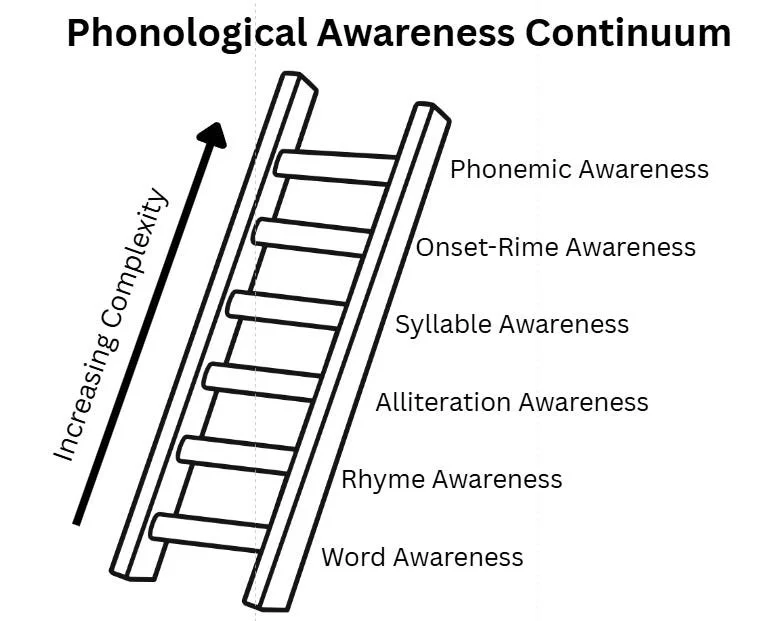
Reading Starts With Your Ears — And That Changes How We Teach It (Part 1)
Before a child reads a single word, their brain needs to do something that has nothing to do with letters: it needs to hear. Phonological awareness — the ability to isolate, blend, and manipulate the sounds inside spoken words — is one of the strongest predictors of reading success researchers have ever found, and most parents have never heard of it. The rhyming games and silly tongue twisters you thought were just fun? They were building the exact neural foundation that makes learning to read possible.