Science of Reading and Learning Science
Understanding how children learn changes everything. The Science of Reading and broader learning science give us a research-based picture of how the brain develops, how children acquire skills, why some students struggle, and what instructional approaches make the biggest difference. Explore our articles to dig into the evidence.
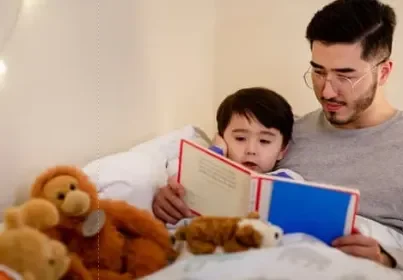
Midweek Mini: The Bedtime Story Is Doing More Than You Think
The bedtime book routine feels like winding down — and research shows it is actually one of the most productive literacy moments in a child's day. Print awareness, vocabulary, fluency modeling, and the emotional connection to reading are all being built simultaneously in those quiet ten minutes. No curriculum required, no special program — just a book, a child tucked in close, and the willingness to do it again tomorrow.
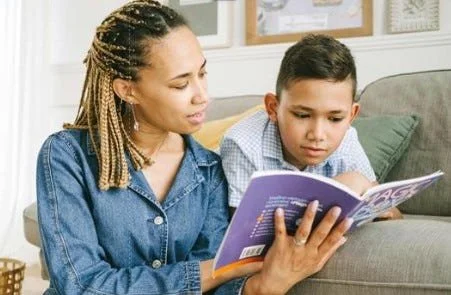
Read It Aloud: Why Reading Aloud Matters at Every Age
Read alouds build vocabulary, oral language, and comprehension through pathways that independent reading at a child's own level simply cannot replicate. The benefits begin in infancy, continue through high school, and compound with every page. That makes reading aloud one of the highest-leverage literacy tools any parent or teacher has — and one of the most underused.