Science of Reading and Learning Science
Understanding how children learn changes everything. The Science of Reading and broader learning science give us a research-based picture of how the brain develops, how children acquire skills, why some students struggle, and what instructional approaches make the biggest difference. Explore our articles to dig into the evidence.

How to Embed Reading Instruction in Content Area Teaching
Reading comprehension isn't a separate skill from science and social studies—it depends on them. Here's what happens when you stop treating content and literacy as competitors.
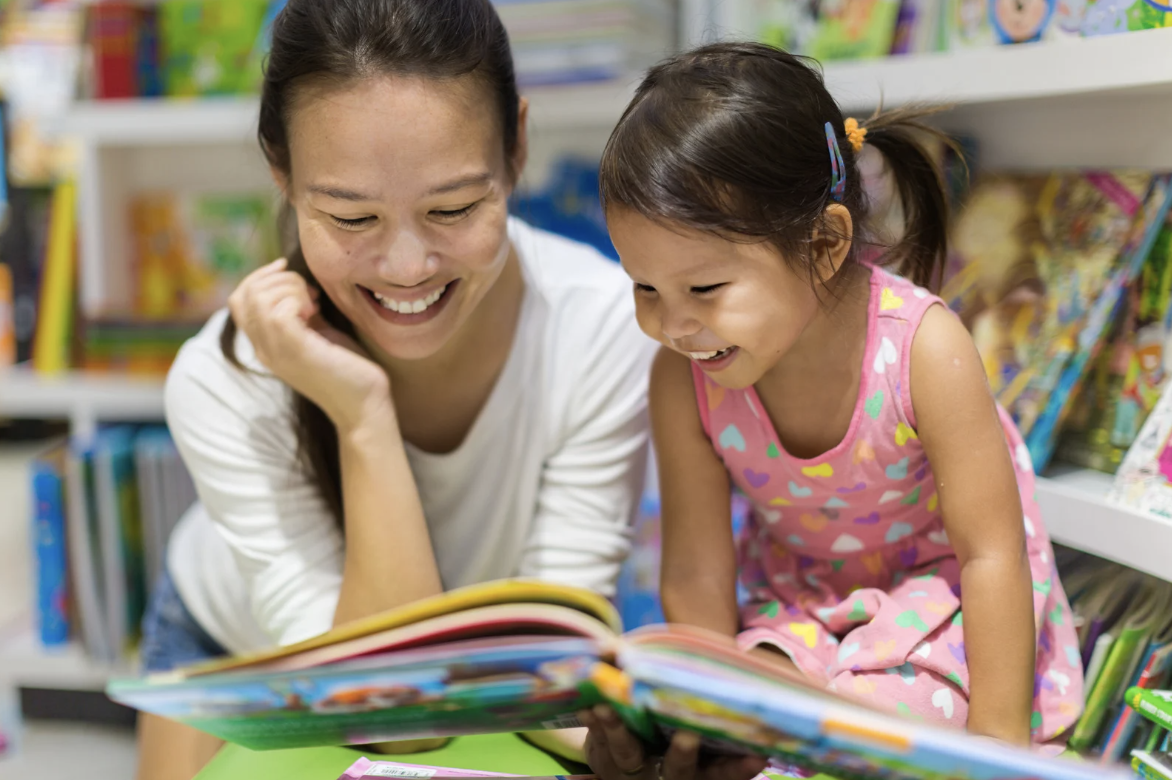
Midweek Mnii: They’ve Read That Book 47 Times. Good.
Research on young readers keeps confirming something that runs counter to most parents' instincts — hearing the same book multiple times produces stronger vocabulary growth than hearing a new book each time. Familiarity doesn't reduce the value of a text; it unlocks a different and deeper kind of engagement with it. The child who wants the same book again is not stuck — they are digging into it in ways the first read never could have allowed.
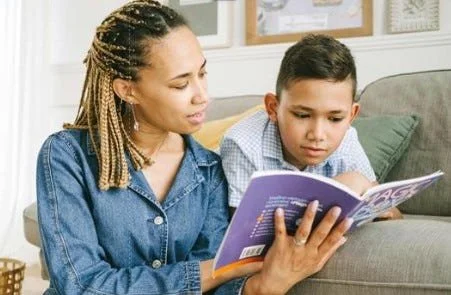
Read It Aloud: Why Reading Aloud Matters at Every Age
Read alouds build vocabulary, oral language, and comprehension through pathways that independent reading at a child's own level simply cannot replicate. The benefits begin in infancy, continue through high school, and compound with every page. That makes reading aloud one of the highest-leverage literacy tools any parent or teacher has — and one of the most underused.
Reading Is Thinking: Comprehension, Critical Thinking, and Why It Matters Now
Decades of reading research have been building toward a single destination. Comprehension is where every prior pillar of reading instruction ultimately points, and science is now clear that it does not emerge automatically once a child can read the words on a page. It has to be explicitly taught, and the world children are growing up in makes that more urgent than it has ever been.