Science of Reading and Learning Science
Understanding how children learn changes everything. The Science of Reading and broader learning science give us a research-based picture of how the brain develops, how children acquire skills, why some students struggle, and what instructional approaches make the biggest difference. Explore our articles to dig into the evidence.
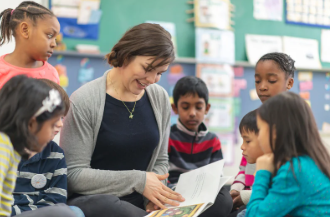
Behind the Classroom Door: A Parent’s Guide to Reading Instruction, Pre-K–5
Reading instruction happens behind a classroom door, in a language most families were never taught. Here's what to expect at every grade, what to ask, and when to advocate — all in one place.

Midweek Mini: When Should a Parent Ask for a Reading Evaluation?
You don't need to wait for the school to suggest it. Here's how to request a reading evaluation, what your rights are under federal law, and what the results will—and won't—tell you.
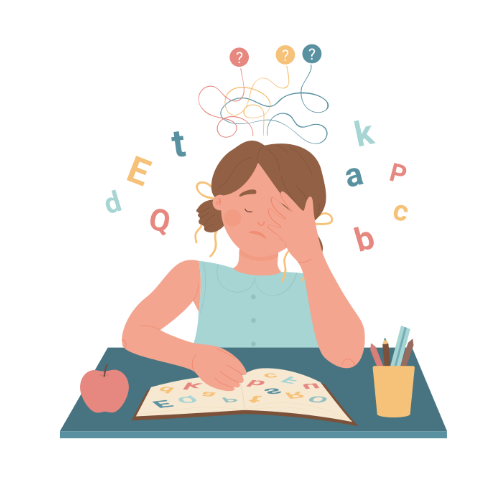
What Is Dyslexia — And What Isn’t
One in five people may be dyslexic — and the image most of us carry of what that means is almost entirely wrong. Dyslexia is not a visual problem and has nothing to do with intelligence; it is a language processing difficulty rooted in how the brain connects print to sound, and it persists even with the instruction that works for everyone else. The research on early identification and targeted support is unambiguous about one thing: the earlier it begins, the more it changes.
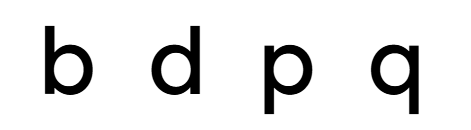
Why Your Child Writes Backwards—And Why That’s Actually Normal
A cup is a cup whether the handle faces left or right — and for millions of years, that kind of visual flexibility kept our ancestors alive. The problem? The letters b and d are the same shape, just flipped. Your child's brain isn't confused; it's working perfectly. The real story is how reading instruction gradually teaches the brain to break one of its oldest survival instincts.