Science of Reading and Learning Science
Understanding how children learn changes everything. The Science of Reading and broader learning science give us a research-based picture of how the brain develops, how children acquire skills, why some students struggle, and what instructional approaches make the biggest difference. Explore our articles to dig into the evidence.

Midweek Mini: Sleep and Learning: Why Rest Is Part of Learning
Sleep isn't just rest—it's when the brain locks in new learning. Learn what the research says and three habits that support it at home.
How to Give Good Feedback And What the Research Actually Says
"Great job" feels like feedback. It isn't. Here's what decades of research say actually helps a learner improve—and the specific language shift that makes it work, for teachers and parents alike.
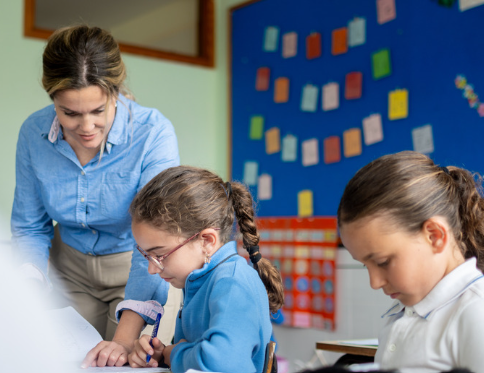
What the Research Says to Prioritize: A Reading Teacher’s Guide to the New Year
Not a to-do list — a menu for reflection. Ten research-backed questions worth sitting with as the year begins, each one pointing to a small shift that can make a real difference.

How to Embed Reading Instruction in Content Area Teaching
Reading comprehension isn't a separate skill from science and social studies—it depends on them. Here's what happens when you stop treating content and literacy as competitors.
Debunking Learning Styles: What the Research Actually Says
Nearly 9 in 10 teachers believe in learning styles. The research says the evidence isn't there. Here's what actually predicts how well a child learns—and why the label can become a ceiling.

How Literature Teaches Empathy — And Why That Matters
A book that broke your heart as a kid wasn't just a story—it was practice feeling what someone else feels. Here's what the research says about fiction, empathy, and why talking about the book matters as much as reading it.

Midweek Mini: When Should a Parent Ask for a Reading Evaluation?
You don't need to wait for the school to suggest it. Here's how to request a reading evaluation, what your rights are under federal law, and what the results will—and won't—tell you.

Why Your Child’s Brain Gets Full: Working Memory, Cognitive Load, and What It Means for Learning
That "brain just stopped" feeling has a name. Here's what working memory and cognitive load theory say about why kids hit a wall—and how to keep their RAM free for actual learning.

Midweek Mini: Is Silent Reading a Good Tool? What the Research Actually Says
Silent reading time has been a classroom staple for decades. But does it actually work? The research says it depends entirely on one thing: structure.
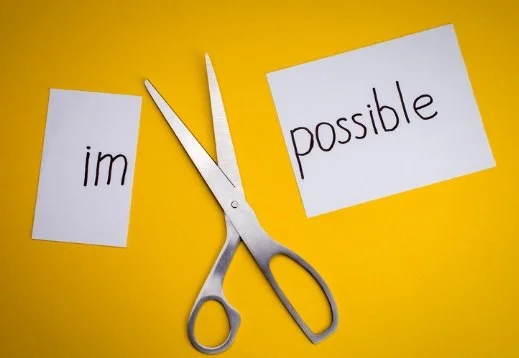
The Value of Teaching Morphology—And Why It Changes Everything About Vocabulary
A child doesn't need to memorize "unbelievable"—they need to spot un-, believe, and -able. Here's why teaching word parts changes vocabulary and decoding for older readers.
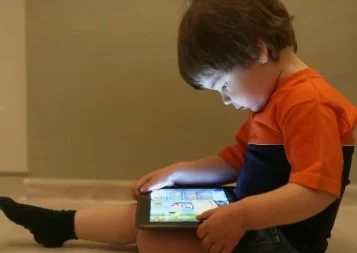
Midweek Mini: Pre-K Kids and Screens: When “Reading” Means Swiping
Some preschoolers are trying to swipe at book pages the way they'd swipe a screen. Here's what that says about print awareness—and small habits that build it back in.
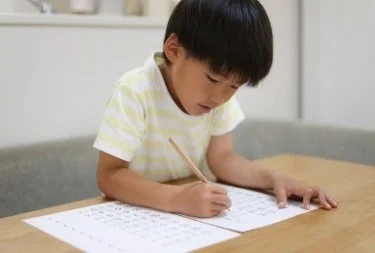
Not All Practice Is Created Equal: Retrieval Practice, Spaced Practice, and Interleaving Explained
Rereading and highlighting feel productive—but they're some of the least effective ways to learn. Here are the three research-backed strategies that actually make memory stick.

Midweek Mini: Are Audiobooks Real Reading? What the Research Says About Teenagers and Audiobooks
Audiobooks let struggling readers access grade-level books they couldn't reach in print alone—but does that count as reading? The research says it's not either/or.
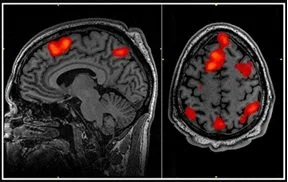
How Memory Works — And Why It Matters for Reading
Most of us think of memory like a filing cabinet — information goes in, you pull it back out. New neuroscience says otherwise. Here's what's actually happening in the brain when a child learns to read, and why background knowledge is doing more work than you think.

Midweek Mini: What Is Orthographic Mapping? (And Why It Matters)
Skilled readers don't sound out familiar words — they recognize them instantly because the brain has permanently bonded each word's spelling, sounds, and meaning together through a process called orthographic mapping. That bond is not built through repetition or visual memorization; it is built through phonics, which is why a child can see a flash card dozens of times and still not retain the word reliably. Orthographic mapping explains how fluent reading develops — and why children who struggle with connecting letters to sounds need more targeted support to get there, not more flash cards.
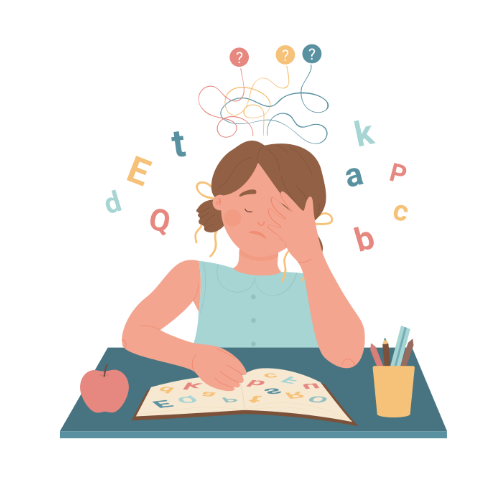
What Is Dyslexia — And What Isn’t
One in five people may be dyslexic — and the image most of us carry of what that means is almost entirely wrong. Dyslexia is not a visual problem and has nothing to do with intelligence; it is a language processing difficulty rooted in how the brain connects print to sound, and it persists even with the instruction that works for everyone else. The research on early identification and targeted support is unambiguous about one thing: the earlier it begins, the more it changes.
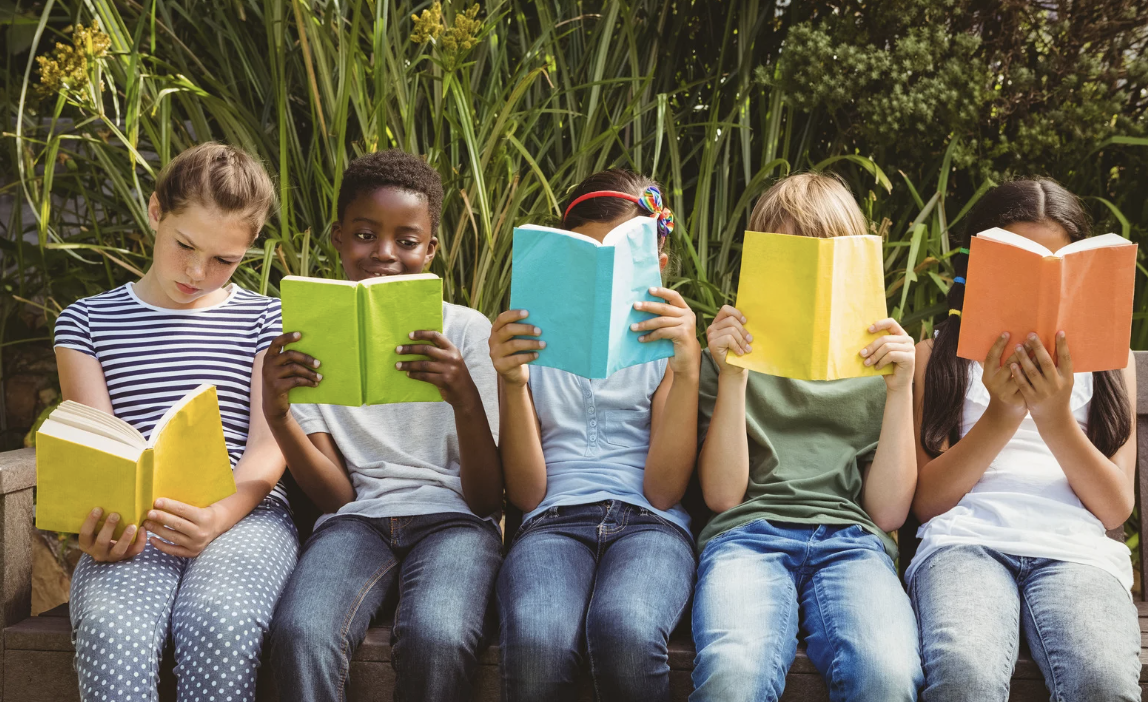
Midweek Mini: Decodable vs. Leveled Readers: What’s the Difference and Why Does It Matter?
Not all early reading books are the same, and the difference matters more than most parents realize. Decodable books are built around the phonics patterns a child has already been taught, giving them practice decoding rather than guessing; many leveled readers rely on picture cues and predictable text that can build exactly the wrong habits in a beginning reader. Text type should follow where the child is — and understanding the difference is one of the most practical things a parent can know about early reading instruction.
What Is the Science of Reading?
The Science of Reading is everywhere right now — in legislation, curriculum marketing, and heated staff meetings — and most people nodding along have only a vague sense of what it actually means. It is not a program or a political position; it is five decades of research from brain science, linguistics, and education all converging on the same findings about how children learn to read. Every article in this series has been drawing from that body of evidence — this is the foundation all of it is built on, and now you know its name.

Midweek Mini: Struggling Readers Aren’t Lazy. Here’s What’s Actually Going On.
The child staring out the window, finding every excuse to avoid the page, is not lazy — they are protecting themselves from an experience that has taught them, reliably, that reading ends badly. Research shows struggling readers are often working significantly harder than their peers just to get through the same text, spending so much mental energy on decoding that meaning slips away before the paragraph ends. Once you see avoidance as self-protection rather than defiance, everything about how you respond changes.
Why Some Kids Hate Reading And What the Research Says We Can Do About It
When a child avoids reading, it is not a character flaw — it is a rational response to repeated failure, and research shows it sets off a cycle that is hard to break. Every book not opened is practice not gotten, vocabulary not encountered, and background knowledge not built, ensuring that reading stays hard for the very child it is already hardest for. The skill gap and the motivation gap feed each other, and closing one without addressing the other is rarely enough.