Science of Reading and Learning Science
Understanding how children learn changes everything. The Science of Reading and broader learning science give us a research-based picture of how the brain develops, how children acquire skills, why some students struggle, and what instructional approaches make the biggest difference. Explore our articles to dig into the evidence.

Midweek Mini: “Does It Make Sense?” Is the Wrong Question
Three-cueing spread through reading classrooms for decades on a single premise — that skilled readers guess words from context, so children should learn to do the same. Research has since shown the opposite is true. Expert readers recognize words instantly because phonics instruction built automatic decoding pathways, and children taught to guess instead are learning a strategy that works on easy text and collapses exactly when they need it most.

Read It Aloud: Why Reading Aloud Matters at Every Age
Read alouds build vocabulary, oral language, and comprehension through pathways that independent reading at a child's own level simply cannot replicate. The benefits begin in infancy, continue through high school, and compound with every page. That makes reading aloud one of the highest-leverage literacy tools any parent or teacher has — and one of the most underused.

Midweek Mini: What a Stomachache Has to Do With Reading
The brain has no reading center — and that single fact explains something that surprises almost every parent who hears it: intelligence offers almost no protection against reading difficulties. Because reading is a recent human invention that requires the brain to be deliberately rewired, a child can be genuinely gifted and still miss the foundational skills that make decoding possible. The children most at risk of being overlooked are often the ones smart enough to compensate — until they can't anymore.
Reading Is Thinking: Comprehension, Critical Thinking, and Why It Matters Now
Decades of reading research have been building toward a single destination. Comprehension is where every prior pillar of reading instruction ultimately points, and science is now clear that it does not emerge automatically once a child can read the words on a page. It has to be explicitly taught, and the world children are growing up in makes that more urgent than it has ever been.

Midweek Mini: What Does “On Grade Level” Actually Mean?
The brain builds reading through several separate systems — decoding, fluency, vocabulary, comprehension — and science shows they can develop at completely different rates in the same child. "On grade level" captures none of that complexity; it is a single number applied to a multi-layered process. Knowing which piece is lagging, and why, is the difference between a label and a plan.
Words Are the Thing: What Vocabulary Instruction Actually Is—And Why It Determines Whether Children Truly Comprehend
The most surprising reading failures aren't in children who can't decode — they're in children who can. A student who reads every word correctly but understands almost nothing has a vocabulary problem, and research shows it is one of the most underestimated obstacles in reading education. Word knowledge doesn't just support comprehension; it is the mechanism through which comprehension becomes possible at all.

Midweek Mini: Is Your School Doing the Science of Reading—Or Just Calling It That?
The Science of Reading is one of the most talked-about phrases in education right now — and one of the most misunderstood. It is not a curriculum, a program, or a publisher's brand; it is decades of converging research from neuroscience, cognitive science, and linguistics that reveals how the human brain actually learns to read. What that research says, and what gets sold in its name, are not always the same thing.
More Than Reading Fast: What Fluency Actually Is—And Why It’s the Bridge to Comprehension
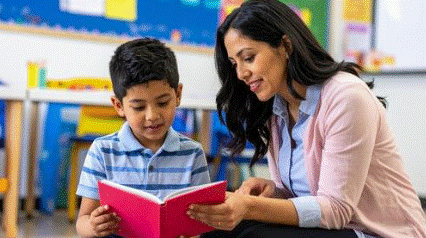
The human brain has no reading center — and yet, with the right instruction, it reliably learns to decode written language anyway. What neuroscientists discovered is that a specific sequence of explicit teaching physically rewires the brain, building neural pathways that eventually allow children to recognize words in milliseconds. That sequence has a name, a mountain of research behind it, and for decades it was quietly left out of classrooms across the country.

How the Brain Cracks the Code — And Why Phonics Is the Key
The debate over how to teach reading lasted decades, divided educators, and left generations of children without the instruction their brains actually needed. What ended the argument wasn't opinion or philosophy — it was science. Brain imaging research and hundreds of controlled studies converged on the same conclusion: children learn to read when they are explicitly taught how letters and sounds connect.
What to Watch For — And What to Do: A Practical Guide to Phonological Awareness (Part 2)
Most reading struggles don't start with letters — they start with sound, long before a child ever picks up a book. Phonological awareness gaps are the most common source of early reading difficulty, and the research on how to address them is unusually clear and encouraging. Knowing what to watch for at each age, and what to do about it, can make the difference between a child who catches up and one who falls further behind.
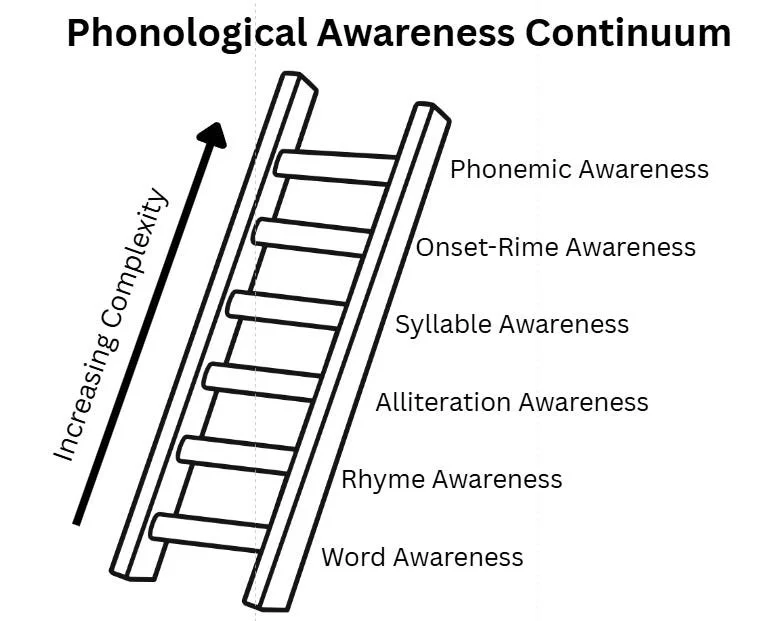
Reading Starts With Your Ears — And That Changes How We Teach It (Part 1)
Before a child reads a single word, their brain needs to do something that has nothing to do with letters: it needs to hear. Phonological awareness — the ability to isolate, blend, and manipulate the sounds inside spoken words — is one of the strongest predictors of reading success researchers have ever found, and most parents have never heard of it. The rhyming games and silly tongue twisters you thought were just fun? They were building the exact neural foundation that makes learning to read possible.
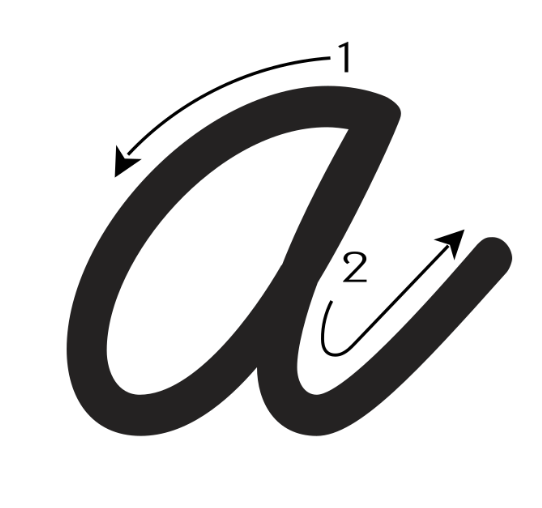
Cursive’s Comeback: What Brain Science Actually Says
Keyboards were supposed to make cursive obsolete — but neuroscience just proved otherwise.
Keyboards were supposed to make cursive obsolete — but neuroscience just proved otherwise. When children learn letters by hand, stroke by stroke, the brain's reading centers light up in ways that typing simply cannot produce. Those looping letters aren't old-fashioned; they're building brains. What researchers discovered next is changing the way educators think about screens, pencils, and everything in between.

Why Your Child Writes Backwards—And Why That’s Actually Normal
A cup is a cup whether the handle faces left or right — and for millions of years, that kind of visual flexibility kept our ancestors alive. The problem? The letters b and d are the same shape, just flipped. Your child's brain isn't confused; it's working perfectly. The real story is how reading instruction gradually teaches the brain to break one of its oldest survival instincts.
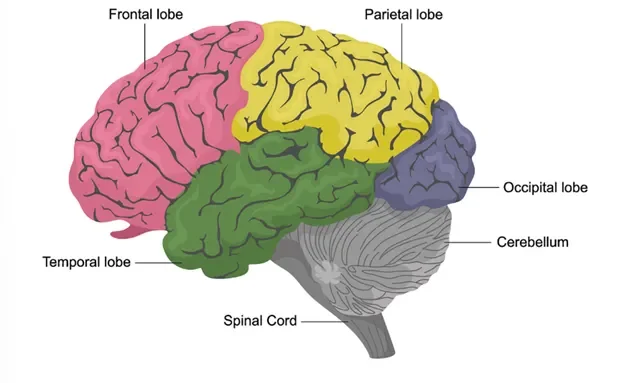
Reading Isn't Natural—And That Changes Everything: What Neuroscience Tells Us About Learning to Read
Your child can name every dinosaur, recite their favorite book word for word, and spot the golden arches from a mile away — but none of that is reading. Reading is not a natural human ability, and that one fact changes everything about how we teach it. The science behind why is fascinating, and it's the foundation for every article you'll find here.