Science of Reading and Learning Science
Understanding how children learn changes everything. The Science of Reading and broader learning science give us a research-based picture of how the brain develops, how children acquire skills, why some students struggle, and what instructional approaches make the biggest difference. Explore our articles to dig into the evidence.

Literacy for People, the Planet, and Prosperity: What National Literacy Month Is Really About
This isn't a test score or a policy goal — it's a force in a human life. A reflection on what literacy actually builds, and five simple things you can do this month to act on it.

Should You Correct Every Mistake When Your Child Reads Aloud?
Your child stumbles on a word — do you jump in or wait? The research says the answer depends on the type of error, and jumping in too fast can undermine the very skill you're trying to build.

How to Build a Reading Life — Not Just Reading Skills
Learning to read and becoming a reader aren't the same thing. Here's what actually builds reading identity — the right book, being seen as a reader, and real choice — for kids at home and in the classroom.
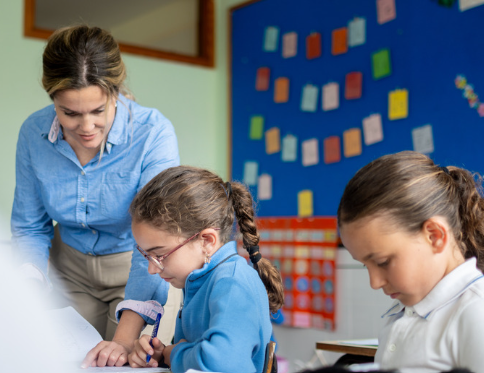
What the Research Says to Prioritize: A Reading Teacher’s Guide to the New Year
Not a to-do list — a menu for reflection. Ten research-backed questions worth sitting with as the year begins, each one pointing to a small shift that can make a real difference.
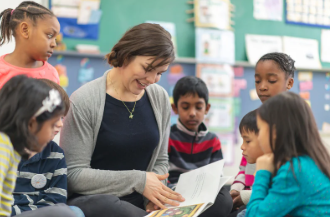
Behind the Classroom Door: A Parent’s Guide to Reading Instruction, Pre-K–5
Reading instruction happens behind a classroom door, in a language most families were never taught. Here's what to expect at every grade, what to ask, and when to advocate — all in one place.

Midweek Mini: Back to School Is Coming. Here’s What to Ask Your Child’s Teacher About Reading
You don't need a formal meeting to ask the questions that matter most. Here are three simple, back-to-school questions that open the door to real communication about your child's reading.

How to Embed Reading Instruction in Content Area Teaching
Reading comprehension isn't a separate skill from science and social studies—it depends on them. Here's what happens when you stop treating content and literacy as competitors.

Midweek Mini: Is Silent Reading a Good Tool? What the Research Actually Says
Silent reading time has been a classroom staple for decades. But does it actually work? The research says it depends entirely on one thing: structure.
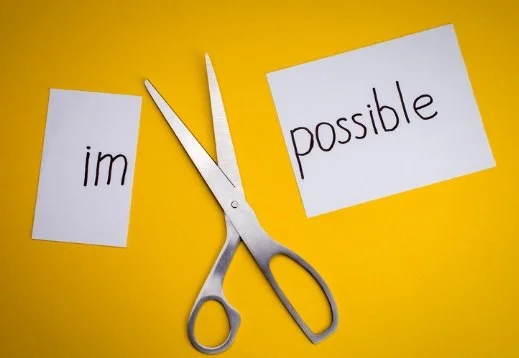
The Value of Teaching Morphology—And Why It Changes Everything About Vocabulary
A child doesn't need to memorize "unbelievable"—they need to spot un-, believe, and -able. Here's why teaching word parts changes vocabulary and decoding for older readers.
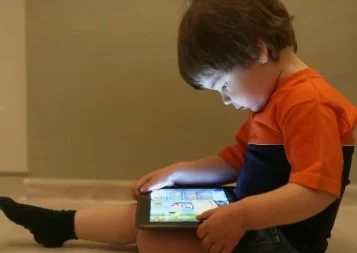
Midweek Mini: Pre-K Kids and Screens: When “Reading” Means Swiping
Some preschoolers are trying to swipe at book pages the way they'd swipe a screen. Here's what that says about print awareness—and small habits that build it back in.

Midweek Mini: Are Audiobooks Real Reading? What the Research Says About Teenagers and Audiobooks
Audiobooks let struggling readers access grade-level books they couldn't reach in print alone—but does that count as reading? The research says it's not either/or.

Midweek Mini: What Is Orthographic Mapping? (And Why It Matters)
Skilled readers don't sound out familiar words — they recognize them instantly because the brain has permanently bonded each word's spelling, sounds, and meaning together through a process called orthographic mapping. That bond is not built through repetition or visual memorization; it is built through phonics, which is why a child can see a flash card dozens of times and still not retain the word reliably. Orthographic mapping explains how fluent reading develops — and why children who struggle with connecting letters to sounds need more targeted support to get there, not more flash cards.

Midweek Mini: Decodable vs. Leveled Readers: What’s the Difference and Why Does It Matter?
Not all early reading books are the same, and the difference matters more than most parents realize. Decodable books are built around the phonics patterns a child has already been taught, giving them practice decoding rather than guessing; many leveled readers rely on picture cues and predictable text that can build exactly the wrong habits in a beginning reader. Text type should follow where the child is — and understanding the difference is one of the most practical things a parent can know about early reading instruction.
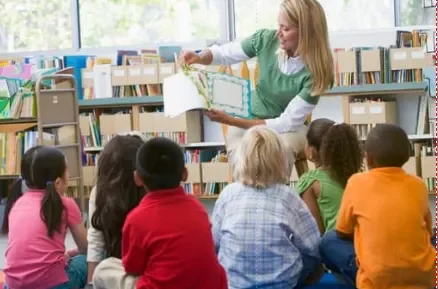
What Is the Science of Reading?
The Science of Reading is everywhere right now — in legislation, curriculum marketing, and heated staff meetings — and most people nodding along have only a vague sense of what it actually means. It is not a program or a political position; it is five decades of research from brain science, linguistics, and education all converging on the same findings about how children learn to read. Every article in this series has been drawing from that body of evidence — this is the foundation all of it is built on, and now you know its name.

Midweek Mini: Struggling Readers Aren’t Lazy. Here’s What’s Actually Going On.
The child staring out the window, finding every excuse to avoid the page, is not lazy — they are protecting themselves from an experience that has taught them, reliably, that reading ends badly. Research shows struggling readers are often working significantly harder than their peers just to get through the same text, spending so much mental energy on decoding that meaning slips away before the paragraph ends. Once you see avoidance as self-protection rather than defiance, everything about how you respond changes.
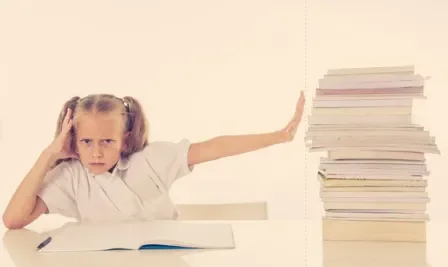
Why Some Kids Hate Reading And What the Research Says We Can Do About It
When a child avoids reading, it is not a character flaw — it is a rational response to repeated failure, and research shows it sets off a cycle that is hard to break. Every book not opened is practice not gotten, vocabulary not encountered, and background knowledge not built, ensuring that reading stays hard for the very child it is already hardest for. The skill gap and the motivation gap feed each other, and closing one without addressing the other is rarely enough.

Midweek Mnii: They’ve Read That Book 47 Times. Good.
Research on young readers keeps confirming something that runs counter to most parents' instincts — hearing the same book multiple times produces stronger vocabulary growth than hearing a new book each time. Familiarity doesn't reduce the value of a text; it unlocks a different and deeper kind of engagement with it. The child who wants the same book again is not stuck — they are digging into it in ways the first read never could have allowed.
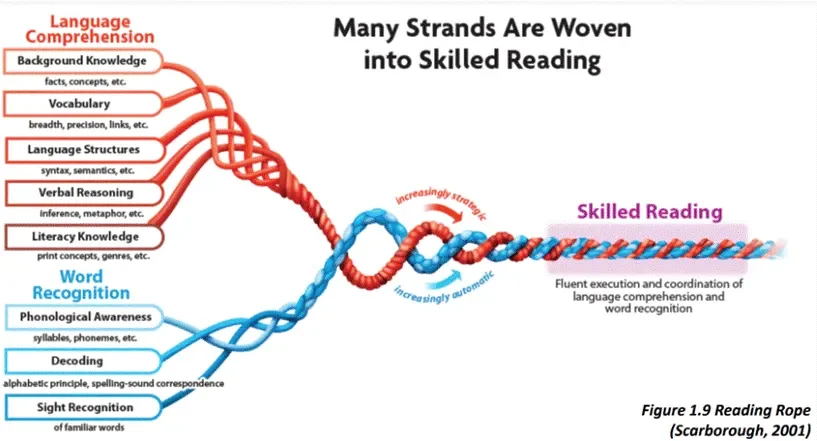
Everything Is Connected: How Scarborough’s Reading Rope Ties It All Together
Scarborough's Reading Rope is the clearest map we have of what skilled reading actually requires — and what it shows is that reading difficulty is almost never one thing. It is usually several strands, each a little weaker than it needs to be, tugging at the others until the whole system strains. If you have been following this series from the beginning, you have already been learning the rope — this is what it looks like when it all comes together.

Make This the Summer of Knowledge
The research on reading comprehension keeps pointing to the same conclusion — what a child already knows about the world before they open a text matters as much as how well they can read it. Summer, with its unhurried pace and freedom from curriculum, is one of the most powerful knowledge-building opportunities of the year. The experiences that fill it don't need to feel like school to do the work that school depends on.

What’s Already in Their Heads: Why Background Knowledge Is the Hidden Engine of Reading Comprehension
No text is self-contained. Every one assumes the reader will supply context the author never wrote. A passage about a courtroom doesn't explain what a judge does; a paragraph about photosynthesis assumes the reader knows what a plant needs to survive. When that background knowledge is missing, even a fluent decoder hits invisible walls on every page, and no amount of strategy instruction can substitute for what simply isn't there.