Science of Reading and Learning Science
Understanding how children learn changes everything. The Science of Reading and broader learning science give us a research-based picture of how the brain develops, how children acquire skills, why some students struggle, and what instructional approaches make the biggest difference. Explore our articles to dig into the evidence.
More Than Reading Fast: What Fluency Actually Is—And Why It’s the Bridge to Comprehension
The human brain has no reading center — and yet, with the right instruction, it reliably learns to decode written language anyway. What neuroscientists discovered is that a specific sequence of explicit teaching physically rewires the brain, building neural pathways that eventually allow children to recognize words in milliseconds. That sequence has a name, a mountain of research behind it, and for decades it was quietly left out of classrooms across the country.
How the Brain Cracks the Code — And Why Phonics Is the Key
The debate over how to teach reading lasted decades, divided educators, and left generations of children without the instruction their brains actually needed. What ended the argument wasn't opinion or philosophy — it was science. Brain imaging research and hundreds of controlled studies converged on the same conclusion: children learn to read when they are explicitly taught how letters and sounds connect.
What to Watch For — And What to Do: A Practical Guide to Phonological Awareness (Part 2)
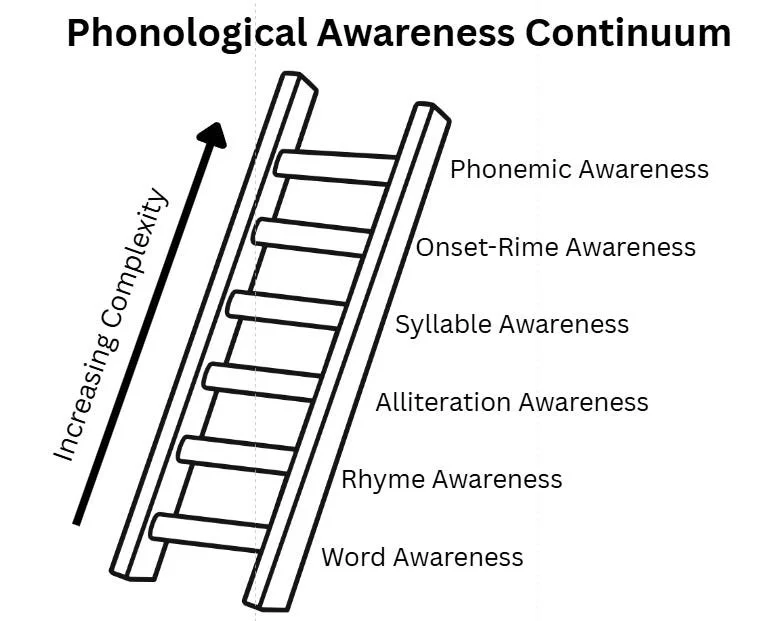
Most reading struggles don't start with letters — they start with sound, long before a child ever picks up a book. Phonological awareness gaps are the most common source of early reading difficulty, and the research on how to address them is unusually clear and encouraging. Knowing what to watch for at each age, and what to do about it, can make the difference between a child who catches up and one who falls further behind.
Reading Starts With Your Ears — And That Changes How We Teach It (Part 1)
Before a child reads a single word, their brain needs to do something that has nothing to do with letters: it needs to hear. Phonological awareness — the ability to isolate, blend, and manipulate the sounds inside spoken words — is one of the strongest predictors of reading success researchers have ever found, and most parents have never heard of it. The rhyming games and silly tongue twisters you thought were just fun? They were building the exact neural foundation that makes learning to read possible.
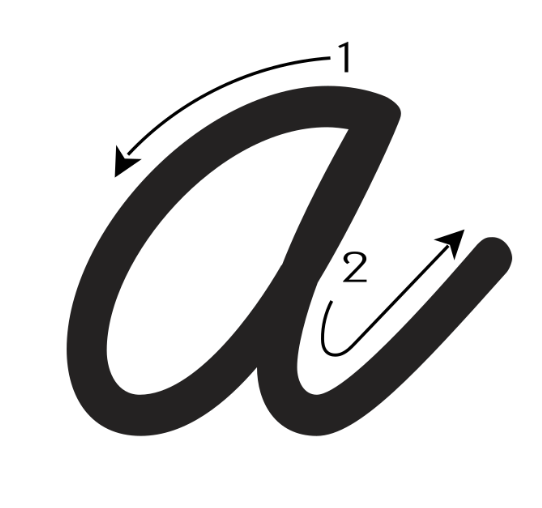
Cursive’s Comeback: What Brain Science Actually Says
Keyboards were supposed to make cursive obsolete — but neuroscience just proved otherwise.
Keyboards were supposed to make cursive obsolete — but neuroscience just proved otherwise. When children learn letters by hand, stroke by stroke, the brain's reading centers light up in ways that typing simply cannot produce. Those looping letters aren't old-fashioned; they're building brains. What researchers discovered next is changing the way educators think about screens, pencils, and everything in between.
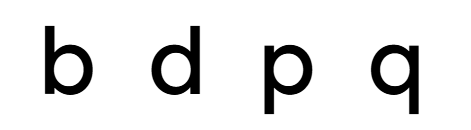
Why Your Child Writes Backwards—And Why That’s Actually Normal
A cup is a cup whether the handle faces left or right — and for millions of years, that kind of visual flexibility kept our ancestors alive. The problem? The letters b and d are the same shape, just flipped. Your child's brain isn't confused; it's working perfectly. The real story is how reading instruction gradually teaches the brain to break one of its oldest survival instincts.
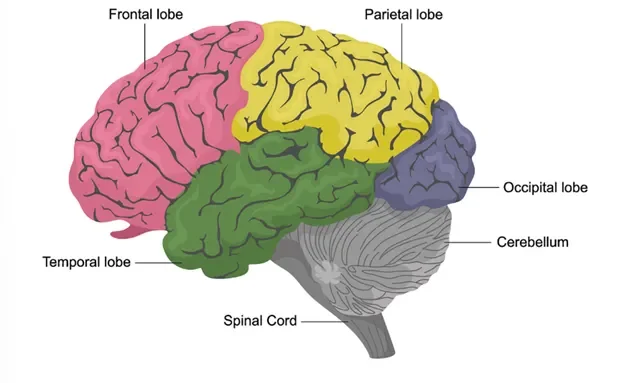
Reading Isn't Natural—And That Changes Everything: What Neuroscience Tells Us About Learning to Read
Your child can name every dinosaur, recite their favorite book word for word, and spot the golden arches from a mile away — but none of that is reading. Reading is not a natural human ability, and that one fact changes everything about how we teach it. The science behind why is fascinating, and it's the foundation for every article you'll find here.