Science of Reading and Learning Science
Understanding how children learn changes everything. The Science of Reading and broader learning science give us a research-based picture of how the brain develops, how children acquire skills, why some students struggle, and what instructional approaches make the biggest difference. Explore our articles to dig into the evidence.

When Math Doesn't Add Up: Understanding Dyscalculia
The child counting on their fingers under the desk isn’t failing to try. Here’s what dyscalculia actually is, how it differs from math anxiety, why it so often overlaps with dyslexia and ADHD, and what helps.

ADHD and Reading: It’s Not About Attention
The name says attention. The research says something else entirely. Here’s why ADHD makes reading so much harder — even when decoding is fine — and why the quiet, daydreaming kids get missed just as often as the bouncing ones.

When Reading and Writing Are Both Hard: Understanding Dyslexia, Dysgraphia, and Why They So Often Appear Together
A child who can tell you a detailed story out loud but produces three halting, misspelled sentences on paper isn’t holding back — their brain is working overtime just to get the words down. Here’s why dyslexia and dysgraphia so often travel together, and what actually helps.
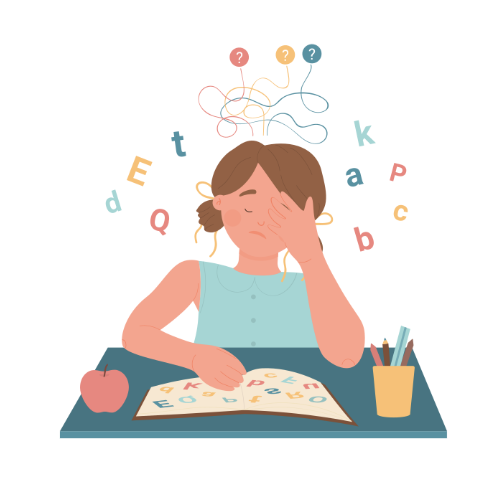
What Is Dyslexia — And What Isn’t
One in five people may be dyslexic — and the image most of us carry of what that means is almost entirely wrong. Dyslexia is not a visual problem and has nothing to do with intelligence; it is a language processing difficulty rooted in how the brain connects print to sound, and it persists even with the instruction that works for everyone else. The research on early identification and targeted support is unambiguous about one thing: the earlier it begins, the more it changes.