Science of Reading and Learning Science
Understanding how children learn changes everything. The Science of Reading and broader learning science give us a research-based picture of how the brain develops, how children acquire skills, why some students struggle, and what instructional approaches make the biggest difference. Explore our articles to dig into the evidence.

Midweek Mini: What to Read This Fall — A Book List for Every Reader in Your House
Picture books, chapter books, and a few classics worth reading together — twelve fall favorites for every reader in your house, from preschool through middle grade.

Literacy for People, the Planet, and Prosperity: What National Literacy Month Is Really About
This isn't a test score or a policy goal — it's a force in a human life. A reflection on what literacy actually builds, and five simple things you can do this month to act on it.

Should You Correct Every Mistake When Your Child Reads Aloud?
Your child stumbles on a word — do you jump in or wait? The research says the answer depends on the type of error, and jumping in too fast can undermine the very skill you're trying to build.

How to Build a Reading Life — Not Just Reading Skills
Learning to read and becoming a reader aren't the same thing. Here's what actually builds reading identity — the right book, being seen as a reader, and real choice — for kids at home and in the classroom.
How to Give Good Feedback And What the Research Actually Says
"Great job" feels like feedback. It isn't. Here's what decades of research say actually helps a learner improve—and the specific language shift that makes it work, for teachers and parents alike.
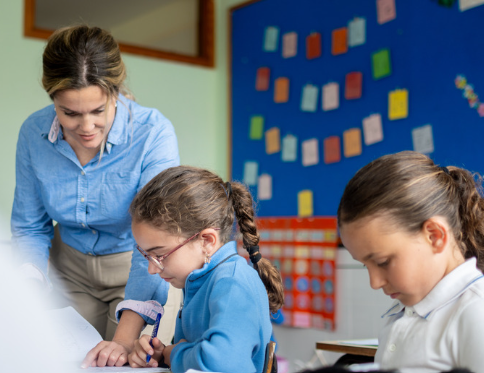
What the Research Says to Prioritize: A Reading Teacher’s Guide to the New Year
Not a to-do list — a menu for reflection. Ten research-backed questions worth sitting with as the year begins, each one pointing to a small shift that can make a real difference.

Midweek Mini: How to Make Your Orientation Meeting Count
You get a few minutes with each family at orientation. Here's how to make it count—what families need to hear from you, and what you need to hear from them.