Science of Reading and Learning Science
Understanding how children learn changes everything. The Science of Reading and broader learning science give us a research-based picture of how the brain develops, how children acquire skills, why some students struggle, and what instructional approaches make the biggest difference. Explore our articles to dig into the evidence.
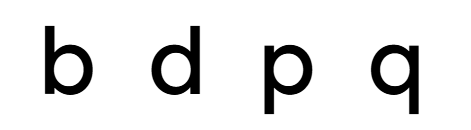
Why Your Child Writes Backwards—And Why That’s Actually Normal
A cup is a cup whether the handle faces left or right — and for millions of years, that kind of visual flexibility kept our ancestors alive. The problem? The letters b and d are the same shape, just flipped. Your child's brain isn't confused; it's working perfectly. The real story is how reading instruction gradually teaches the brain to break one of its oldest survival instincts.
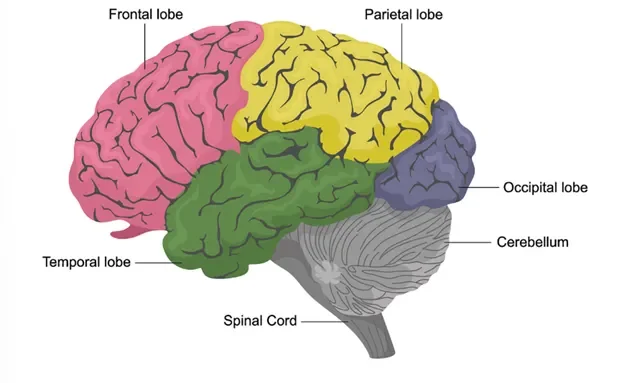
Reading Isn't Natural—And That Changes Everything: What Neuroscience Tells Us About Learning to Read
Your child can name every dinosaur, recite their favorite book word for word, and spot the golden arches from a mile away — but none of that is reading. Reading is not a natural human ability, and that one fact changes everything about how we teach it. The science behind why is fascinating, and it's the foundation for every article you'll find here.