Science of Reading and Learning Science
Understanding how children learn changes everything. The Science of Reading and broader learning science give us a research-based picture of how the brain develops, how children acquire skills, why some students struggle, and what instructional approaches make the biggest difference. Explore our articles to dig into the evidence.
Midweek Mini: Sleep and Learning: Why Rest Is Part of Learning
Sleep isn't just rest—it's when the brain locks in new learning. Learn what the research says and three habits that support it at home.
How to Give Good Feedback And What the Research Actually Says
"Great job" feels like feedback. It isn't. Here's what decades of research say actually helps a learner improve—and the specific language shift that makes it work, for teachers and parents alike.
Debunking Learning Styles: What the Research Actually Says
Nearly 9 in 10 teachers believe in learning styles. The research says the evidence isn't there. Here's what actually predicts how well a child learns—and why the label can become a ceiling.

How Literature Teaches Empathy — And Why That Matters
A book that broke your heart as a kid wasn't just a story—it was practice feeling what someone else feels. Here's what the research says about fiction, empathy, and why talking about the book matters as much as reading it.

Why Your Child’s Brain Gets Full: Working Memory, Cognitive Load, and What It Means for Learning
That "brain just stopped" feeling has a name. Here's what working memory and cognitive load theory say about why kids hit a wall—and how to keep their RAM free for actual learning.
Not All Practice Is Created Equal: Retrieval Practice, Spaced Practice, and Interleaving Explained
Rereading and highlighting feel productive—but they're some of the least effective ways to learn. Here are the three research-backed strategies that actually make memory stick.
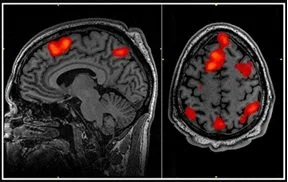
How Memory Works — And Why It Matters for Reading
Most of us think of memory like a filing cabinet — information goes in, you pull it back out. New neuroscience says otherwise. Here's what's actually happening in the brain when a child learns to read, and why background knowledge is doing more work than you think.