Science of Reading and Learning Science
Understanding how children learn changes everything. The Science of Reading and broader learning science give us a research-based picture of how the brain develops, how children acquire skills, why some students struggle, and what instructional approaches make the biggest difference. Explore our articles to dig into the evidence.
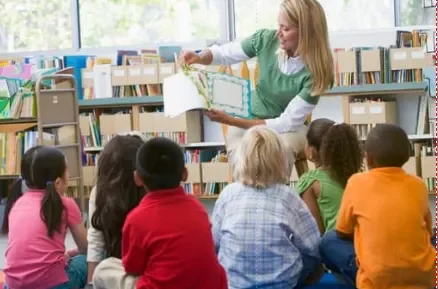
What Is the Science of Reading?
The Science of Reading is everywhere right now — in legislation, curriculum marketing, and heated staff meetings — and most people nodding along have only a vague sense of what it actually means. It is not a program or a political position; it is five decades of research from brain science, linguistics, and education all converging on the same findings about how children learn to read. Every article in this series has been drawing from that body of evidence — this is the foundation all of it is built on, and now you know its name.

Midweek Mini: Is Your School Doing the Science of Reading—Or Just Calling It That?
The Science of Reading is one of the most talked-about phrases in education right now — and one of the most misunderstood. It is not a curriculum, a program, or a publisher's brand; it is decades of converging research from neuroscience, cognitive science, and linguistics that reveals how the human brain actually learns to read. What that research says, and what gets sold in its name, are not always the same thing.